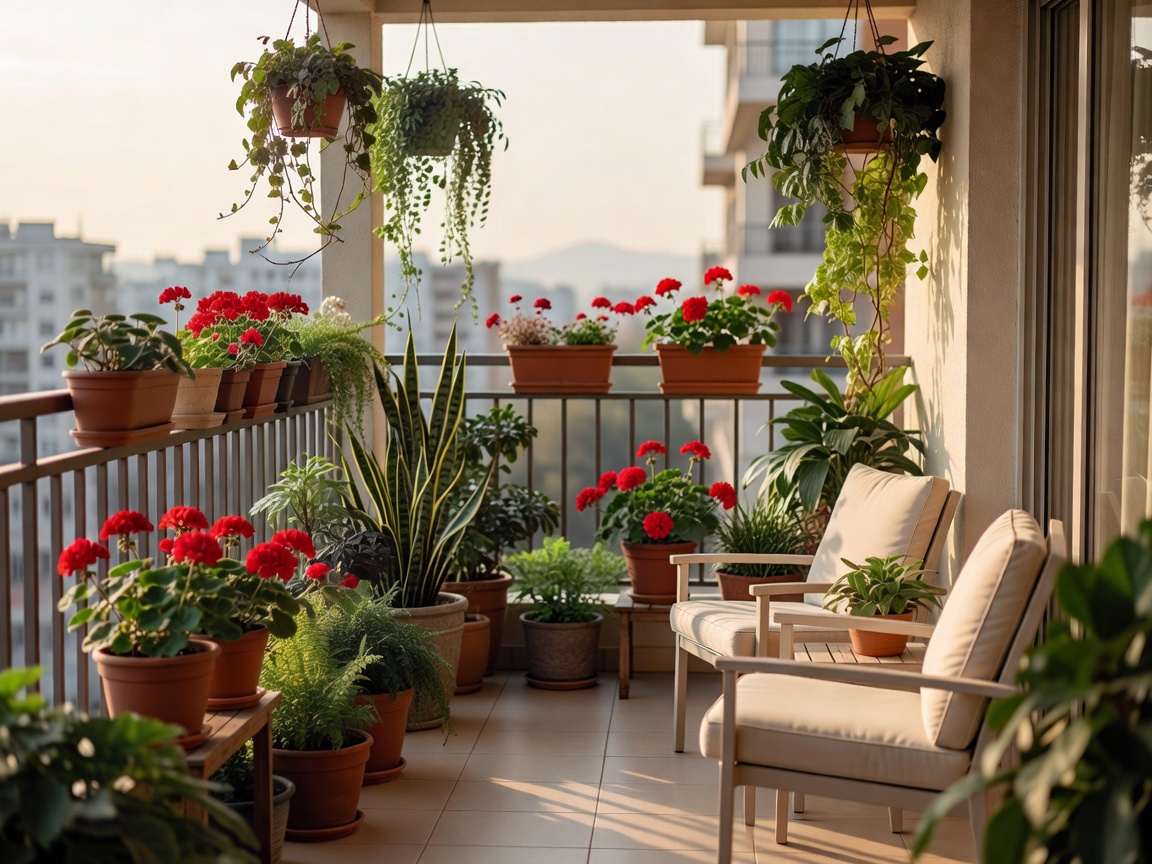
Balcony Gardening Basics
Transforming a concrete balcony into a lush, productive garden is entirely achievable, provided you approach the project with planning and care. Balcony gardening differs significantly from traditional ground-level cultivation. You are dealing with a distinct microclimate, hard space constraints, and unique structural considerations. Understanding these fundamentals will dictate your success.
Assess Your Environment: Light and Wind
Before purchasing a single seed or bag of potting mix, you must critically assess the environmental conditions of your balcony. Light is the primary limiting factor for urban agriculture.
Determine which direction your balcony faces. South-facing balconies generally receive full sun (six or more hours of direct sunlight), which is ideal for fruiting plants like tomatoes, peppers, and cucumbers. East or west-facing balconies receive partial sun, making them suitable for root vegetables and hardy herbs. North-facing balconies, or those heavily shaded by neighboring buildings, are restricted to shade-tolerant crops such as leafy greens, mint, and chives.
Wind is the secondary, often overlooked, factor. High-rise balconies frequently act as wind tunnels. Strong, continuous gusts cause rapid transpiration, stripping moisture from plant leaves faster than roots can replenish it, leading to dehydration and tissue damage. If you live above the third floor, windbreaks are essential. Consider installing permeable screens, bamboo reed fencing, or planting a perimeter of robust, wind-tolerant ornamental grasses to protect delicate edible crops.
Weight Limits and Structural Integrity
A balcony is essentially a suspended concrete slab. It has a strictly defined safe load capacity, usually measured in pounds per square foot. Wet soil, heavy ceramic pots, and mature fruiting plants add up to an astonishing amount of weight.
| Container Material | Relative Weight | Moisture Retention |
|---|---|---|
| Terracotta / Clay | Very Heavy | Low (porous, dries quickly) |
| Wood (e.g., Cedar half-barrels) | Heavy | Moderate |
| High-Density Plastic | Lightweight | High (retains moisture well) |
| Fabric / Grow Bags | Very Lightweight | Low (excellent aeration) |
To mitigate weight issues, prioritize lightweight materials. Swap heavy terracotta for high-density plastic, fiberglass, or fabric grow bags. Furthermore, standard garden topsoil is incredibly dense and unsuited for containers. Always use a high-quality potting mix formulated with peat moss, coco coir, perlite, or vermiculite. These amendments ensure the soil remains light, airy, and drains efficiently.
Selecting the Right Containers
Size matters immensely in container gardening. The volume of the pot determines the volume of the root system, which directly correlates to the ultimate size and yield of the plant. As a general rule, choose the largest container your space and weight limits allow. Larger volumes of soil hold moisture longer, insulating the roots against temperature fluctuations and reducing your daily watering burden.
Every single container must have adequate drainage holes. Without drainage, water pools at the bottom of the pot, displacing oxygen and causing root rot—a fatal fungal condition. If you are worried about water runoff staining your balcony or dripping onto downstairs neighbors, use deep saucers under each pot, but ensure you empty them after heavy rainfall so the plant does not sit in standing water.
Ideal Starter Plants for Small Spaces
If this is your first foray into balcony gardening, begin with resilient, high-yield plants that thrive in confined spaces.
- Culinary Herbs: Basil, thyme, rosemary, and oregano are incredibly forgiving. They require relatively little root space and provide immediate utility in the kitchen.
- Leafy Greens: Cut-and-come-again varieties of lettuce, spinach, and Swiss chard have shallow root systems and tolerate partial shade beautifully.
- Bush Tomatoes: Standard indeterminate tomatoes will quickly outgrow a balcony. Opt for determinate "bush" or "patio" varieties, such as Tumbling Tom or Micro Tom, which remain compact and are well-suited for hanging baskets or railing planters.
Balcony gardening requires observation and adaptation. Start small, master the watering cadence for your specific microclimate, and gradually expand your vertical oasis. The reward of harvesting fresh produce steps from your living room is well worth the initial planning.