Setting Up Your First Indoor Hydroponics System
Hydroponics is the science of growing plants without soil, delivering water and perfectly balanced nutrients directly to the root zone. For the urban gardener with limited space and sunlight, indoor hydroponics offers an incredibly efficient, year-round growing solution. Plants grown hydroponically typically mature 25% faster and yield up to 30% more than their soil-grown counterparts.
Choosing Your First System
While commercial agriculture relies on complex NFT (Nutrient Film Technique) or aeroponic setups, the home grower is best served by starting with simpler, static systems. The two most accessible methods are Deep Water Culture (DWC) and the Kratky method.
Deep Water Culture (DWC)
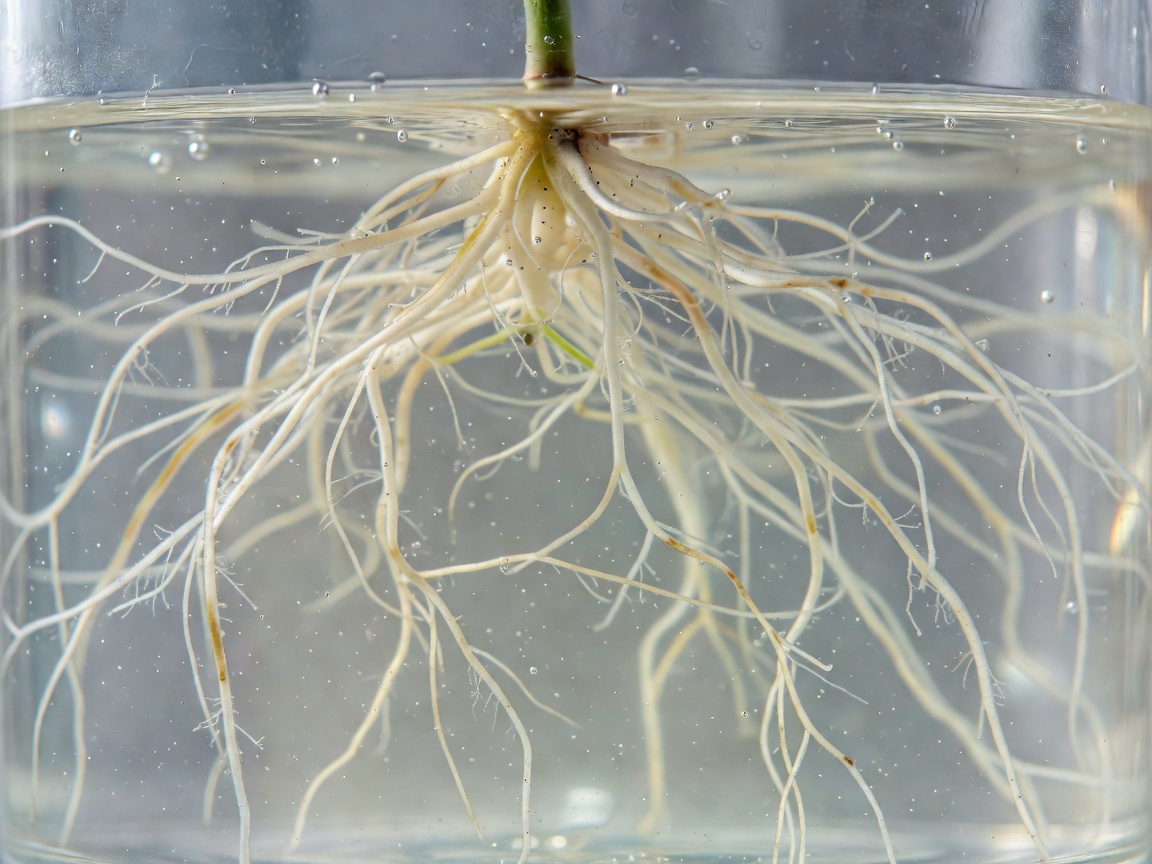
In a DWC system, the plant is suspended in a net pot filled with an inert medium (like clay pebbles). The roots dangle directly into a reservoir of nutrient-rich water. Because roots submerged entirely in water will quickly drown, a DWC system uses an air pump and an air stone to heavily oxygenate the reservoir. This dissolved oxygen allows the roots to absorb nutrients rapidly without suffocating.
The Kratky Method
The Kratky method is the passive, non-circulating cousin of DWC. It requires no electricity, pumps, or moving parts. You fill a reservoir with nutrient solution and suspend the plant above it. As the plant consumes the liquid, the water level drops, exposing the upper section of the roots to the air. These upper roots become "air roots," absorbing oxygen from the humid environment inside the container, while the lower roots continue to drink from the receding nutrient solution. It is the ultimate "set it and forget it" system for growing leafy greens like lettuce and basil.
Essential Equipment
Regardless of which method you choose, a successful indoor hydroponic garden requires specific baseline equipment:
- Reservoir: An opaque container (such as a 5-gallon bucket or a heavy-duty tote) to hold the water. It must be completely light-proof to prevent algae growth.
- Net Pots and Growing Medium: Slotted plastic cups that hold the plant. You will fill these with clay pebbles (LECA), rockwool cubes, or coco coir to anchor the stems.
- Hydroponic Nutrients: Soil provides a buffer and micronutrients; in hydroponics, you must supply everything. Purchase a reputable, water-soluble hydroponic nutrient blend. Liquid fertilizers designed for soil often lack essential trace elements like calcium and magnesium.
- pH Meter and Adjusters: Nutrient absorption is heavily dependent on the pH of the water. Most hydroponic crops prefer a slightly acidic pH between 5.5 and 6.5. A digital pH pen and "pH Up/Down" solutions are non-negotiable.
- Grow Lights: Since you are growing indoors, you must simulate the sun. Full-spectrum LED grow lights are energy-efficient and generate minimal heat. Aim for a fixture that provides a minimum of 20-30 watts per square foot of growing area.
Pros and Cons of Indoor Hydroponics
| Advantages | Disadvantages |
|---|---|
| Faster growth rates and higher yields | Higher initial setup cost |
| Uses 90% less water than soil gardening | Requires strict pH and nutrient monitoring |
| No soil-borne pests or diseases (e.g., fungus gnats) | Vulnerable to power outages (if using pumps) |
| Total control over the growing environment | Steeper learning curve for beginners |
Maintenance Routine
The success of a hydroponic system hinges on maintaining reservoir stability. Check the pH and water level every few days. As the water level drops, top it off with fresh, pH-balanced water. Every two to three weeks, completely drain the reservoir and replace it with a fresh nutrient solution to prevent the buildup of toxic salt residues.
Start with forgiving crops. Butterhead lettuce, Swiss chard, and Genovese basil are the perfect test subjects for a new hydroponic setup. Once you master the nutrient balance and pH management for greens, you can graduate to fruiting crops like cherry tomatoes and jalapeños, which require more complex, multi-stage nutrient regimens.