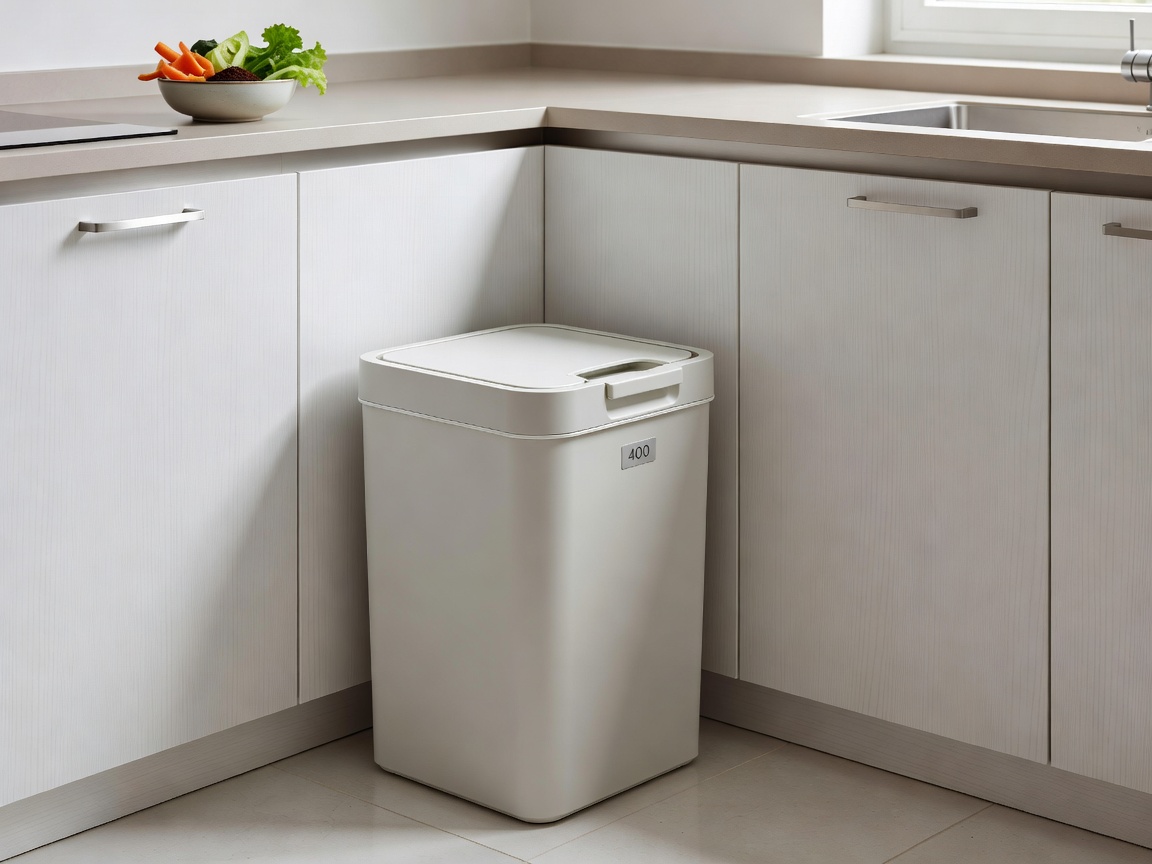
Odor-Free Container Composting
The idea of rotting food scraps inside a small apartment deters many urban dwellers from composting. The fear of foul odors, fruit flies, and mess is entirely justified when applying traditional outdoor composting methods indoors. However, specialized indoor composting systems, specifically Bokashi and vermicomposting, process organic waste efficiently, cleanly, and completely odor-free, yielding "black gold" for your container garden.
The Bokashi Method Explained
Bokashi is a Japanese method that translates roughly to "fermented organic matter." Unlike traditional composting, which is an aerobic (oxygen-requiring) process of decay, Bokashi is an anaerobic (oxygen-free) fermentation process. This fundamental difference is why it works so well indoors.
In a Bokashi system, you place your kitchen scraps into a specialized airtight bucket. After each addition, you sprinkle a handful of Bokashi bran—an inoculant consisting of wheat bran laced with specific lactic acid bacteria, yeasts, and phototrophic bacteria. You then press the food down to expel oxygen and seal the lid tightly.
Because the environment is acidic and anaerobic, the food does not rot; it pickles. There is no putrid smell; rather, you will notice a mild, sweet-and-sour odor reminiscent of pickles or cider vinegar, only perceptible when the lid is open. Even better, Bokashi can process items that traditional compost bins cannot, including meat, dairy, and oily foods.
Vermicomposting: The Power of Worm Bins
If you prefer a system that results directly in finished compost rather than fermented pre-compost, vermicomposting (worm farming) is the premier choice. A well-managed worm bin is entirely odorless, smelling only faintly of fresh forest rain.
Vermicomposting relies on specialized red wiggler worms (Eisenia fetida) housed in a multi-tiered bin. You provide them with bedding (shredded newspaper or moistened coconut coir) and bury your vegetable scraps within it. The worms consume the scraps and excrete worm castings—one of the most nutrient-dense, biologically active fertilizers known to agriculture.
| System | Process Type | End Product | Effort Level |
|---|---|---|---|
| Bokashi Bin | Anaerobic Fermentation | Fermented waste (needs soil burial to finish) | Low |
| Worm Bin | Aerobic Digestion | Finished castings & liquid extract | Medium (requires live animal care) |
Balancing Greens and Browns
If you choose to run a traditional aerobic micro-bin on a balcony, mastering the carbon-to-nitrogen ratio is critical to preventing odors. Compost materials are broadly categorized as "Greens" (nitrogen-rich: fruit scraps, coffee grounds, green leaves) and "Browns" (carbon-rich: shredded paper, dry cardboard, dead leaves).
A foul, ammonia-like smell indicates an excess of nitrogen (too many greens) and insufficient oxygen. To fix a smelly bin, immediately stop adding food scraps, aggressively mix in a large volume of shredded brown cardboard to absorb excess moisture, and turn the pile to aerate it. Maintaining a ratio of approximately 3 parts browns to 1 part greens by volume will ensure a sweet-smelling, rapidly decomposing pile.
Using the Output
The outputs of indoor composting are highly concentrated. Bokashi ferment must be buried in a soil container for two weeks to neutralize its acidity before planting. Worm castings are so rich they should be used sparingly—mixed at a ratio of 10-20% into standard potting soil, or steeped in water to create a potent "worm tea" for liquid feeding. By closing the loop on your kitchen waste, you create a self-sustaining nutrient cycle right in your apartment.